
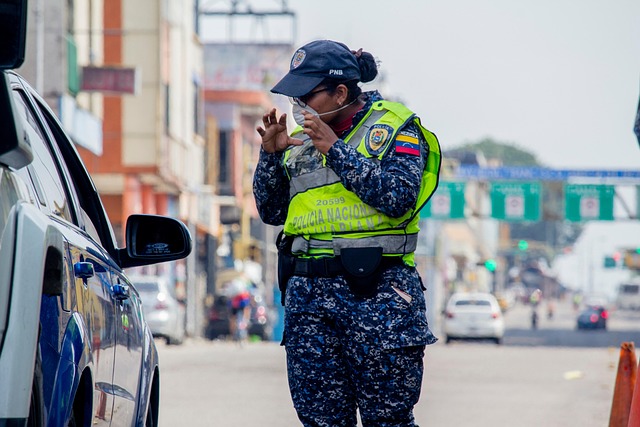
DUI checkpoints, also known as sobriety checkpoints, are a common tool law enforcement uses to identify impaired drivers on Arizona roads. Although these checkpoints are often announced in advance, many drivers encounter them unexpectedly. In that moment, it is normal to feel anxious or uncertain, even if you have done nothing wrong. Understanding how DUI checkpoints work, why they are allowed, and what rights you have can make the experience less intimidating and help you avoid mistakes that could affect you later.
A DUI checkpoint is a temporary roadblock where officers briefly stop vehicles to look for signs of impairment. Unlike traditional traffic stops, officers do not need to observe a specific traffic violation before making contact with a driver. Instead, they use a predetermined pattern, such as stopping every third or fifth vehicle, to ensure fairness and avoid claims of profiling.
During the brief interaction, the officer may speak with the driver, observe their behavior, and look for indicators such as slurred speech, bloodshot eyes, or the smell of alcohol. If nothing appears unusual, the driver is allowed to continue on their way within a few moments. If the officer detects possible signs of impairment, the driver may be directed to a secondary screening area for further evaluation.
Although some states ban DUI checkpoints, Arizona allows them. Courts have determined that preventing impaired driving is an important public safety interest that can justify limited and carefully structured stops. However, checkpoints must follow strict rules to comply with constitutional standards.
For a checkpoint to be valid, it must typically be planned and carried out according to written procedures. Officers must follow the same stopping pattern for every vehicle, maintain safety measures such as clear signage and lighting, and conduct the stop in a non-discriminatory manner. When done correctly, the goal is to balance community safety with individual rights.
As a driver approaches a checkpoint, officers usually set up marked police vehicles, cones, and lighting to signal that the area is an official law enforcement operation. Drivers are guided into a single lane or slowed traffic pattern to allow brief conversations with officers. The initial interaction is often quick, sometimes lasting less than a minute, unless the officer notices signs that require further evaluation.
The officer may ask simple questions about where the driver is coming from or whether they have consumed alcohol. While drivers must provide identification upon request, they are not required to answer investigative questions. The interaction is designed to be fast and structured, not an in-depth interrogation.
One of the most common questions drivers have is whether they are allowed to turn away from a checkpoint. In Arizona, it is legal to avoid a checkpoint if the driver does so safely and without committing a traffic violation. Officers cannot stop a vehicle simply because the driver chose an alternate route. However, if the driver makes an illegal U-turn, crosses lanes unsafely, or violates traffic laws while attempting to avoid the checkpoint, that action can give police a lawful reason to initiate a traffic stop.
Avoidance on its own is not a crime, but unsafe driving while attempting to do so can quickly create problems.
Even at a DUI checkpoint, the right to remain silent still applies. Drivers must provide their license, registration, and proof of insurance when asked, but they do not have to answer questions about where they have been, whether they have been drinking, or what they were doing earlier that evening. Politely declining to answer is lawful and cannot be used as evidence of wrongdoing.
Many people feel pressured to explain themselves, even when they have done nothing wrong. Understanding that silence is a protected constitutional right can prevent accidental self-incrimination.
One aspect of checkpoints that often surprises drivers is that field sobriety tests are optional in Arizona. These assessments, such as standing on one leg or following a pen with your eyes, rely on subjective interpretation and are not always reliable indicators of impairment.
Drivers may decline field sobriety tests. Refusing them does not violate any law, and it does not carry automatic penalties. However, refusing a chemical test, such as a breath or blood test, carries different consequences under Arizona’s implied consent law. While field sobriety tests can be declined without penalty, chemical tests involve separate rules that can affect a driver’s license.
If an officer notices signs of possible impairment, the driver may be directed to a secondary screening area. Here, officers conduct additional evaluations, which may include questions, field tests, or a portable breath test. The decision to move a driver to this area is based on observable behavior and officer judgment.
Factors such as unsteady movements, the smell of alcohol, difficulty retrieving documents, or confusion during conversation may lead to further investigation. The secondary screening area is where most checkpoint-related arrests occur.
When officers believe they have probable cause to suspect impairment, they may make an arrest. The driver is transported to a facility for official chemical testing, which may involve breath, blood, or urine, depending on the circumstances. After testing, the individual is either released or held, depending on the county’s procedures and the specifics of the case.
An arrest at a checkpoint follows the same legal process as any DUI arrest, including potential license consequences, court hearings, and evidence review.
DUI checkpoints can be stressful, even for fully sober drivers. The sudden presence of police, the slow traffic pattern, and the brief questioning can create anxiety and confusion. Knowing your rights helps restore a sense of control and prevents mistakes that may complicate the situation. The Fourth Amendment still applies, and Arizona law provides clear guidelines on how checkpoints should operate and how drivers may respond.
When drivers understand what officers are allowed to do, what they are required to do, and what they cannot do, they are better prepared to navigate the situation calmly and safely.